

PRODUCTS
Categories List
Recent Posts
 Winner Offshore DNV2.7-1 Positive Pressure Offshore Container Shipped from Factory to Empower Offshore Explosion-Proof OperationsOct 12, 2026
 Winner Offshore DNV2.7-1 Offshore Tank Container Delivers, Reinforcing Safety for Offshore Fluid Storage & TransportationOct 10, 2026
 Winner Offshore New DNV2.7-1 Offshore Accommodation Module CompletedOct 08, 2026

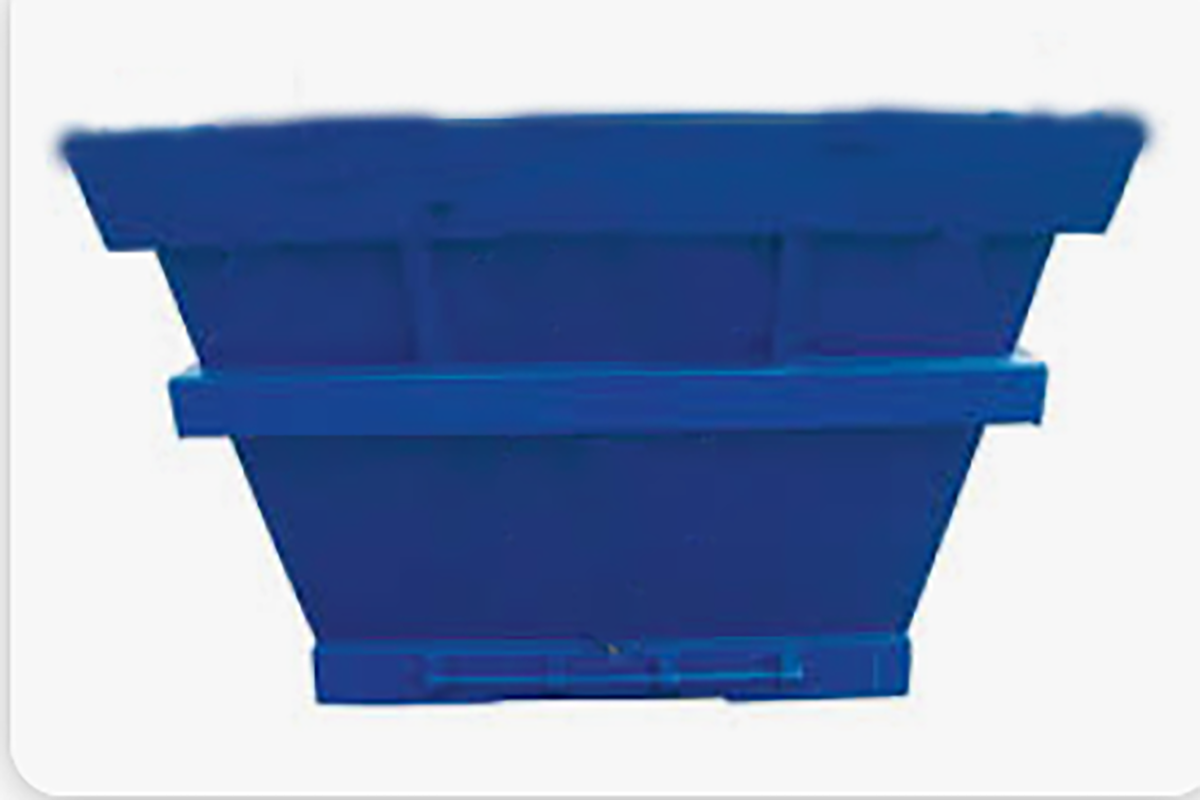
Offshore Waste Skips: Specialized Waste Containment Units for Offshore Facilities
Offshore Waste Skips are specialized waste treatment containers designed exclusively for offshore installations such as offshore oil and gas drilling platforms and offshore wind farms. Their core function is to safely collect, temporarily store, and transfer various types of waste generated during offshore operations, thereby preventing marine environmental pollution. They serve as critical equipment for ensuring environmental compliance and cleanliness maintenance in offshore operations. Below is a detailed introduction to their core specifications:
Core Design and Material Features
Harsh Environment Resistant Materials
Constructed from high-strength tensile steel with anti-corrosion coating applied to the surface, these skips can withstand the erosion of harsh offshore conditions including salt spray, high humidity, and wind waves. This prevents container damage and leakage caused by prolonged exposure to immersion or direct sunlight.
Offshore Operation-Optimized Structure
Most units are equipped with lifting points for crane hoisting, and some are additionally provided with forklift pockets to facilitate short-distance movement. The majority feature sealed hinged lids or fixed top covers to prevent waste from spilling into the sea due to wind and waves during transfer or storage. Certain models are also fitted with drainage outlets to avoid rainwater accumulation that could cause odor generation or additional load increase.
Flexible Dimensions and Specifications
With a relatively compact footprint, their volume typically ranges from 2 to 8 cubic meters, allowing selection based on the waste output of different operational scenarios. Examples include 7-foot marine skips and 12-foot waste skips, with maximum gross weights varying from over 2 tonnes to more than 8 tonnes. This adaptability caters to the hoisting and storage space constraints of different offshore facilities.
Core Certification and Compliance Standards
These units are required to pass rigorous offshore standard certifications to ensure safety and compliance. Mainstream certifications include DNV 2.7-1, EN 12079, and ISO 10855. These standards impose clear requirements on structural strength, hoisting safety, and sealing performance. For instance, they ensure the skips can withstand additional loads caused by offshore wind and waves during hoisting, while also meeting the environmental operation specifications of different sea areas.
Typical Operational Process
Offshore personnel sort and dispose of various waste into the corresponding skips. Once the skips are full, they are lifted by platform cranes and transferred to transport vessels. The vessels then convey the waste to dedicated onshore treatment facilities. Some professional service providers also establish a daily reporting system to record the type and volume of waste, enabling full-process tracking from offshore collection to onshore disposal and ensuring compliance with environmental regulations.
MESSAGE
Please give us a message