

Categories List
Recent Posts
 Winner Offshore New DNV2.7-1 Offshore Accommodation Module CompletedOct 08, 2026
 Winner Offshore New DNV2.7-1 Multi-door Offshore Container Successfully Rolled Off the Production LineSep 30, 2026
 Winner Offshore Launches DNV2.7‑1 Positive Pressure Offshore Container to Strengthen Safety Barriers for Offshore OperationsSep 28, 2026

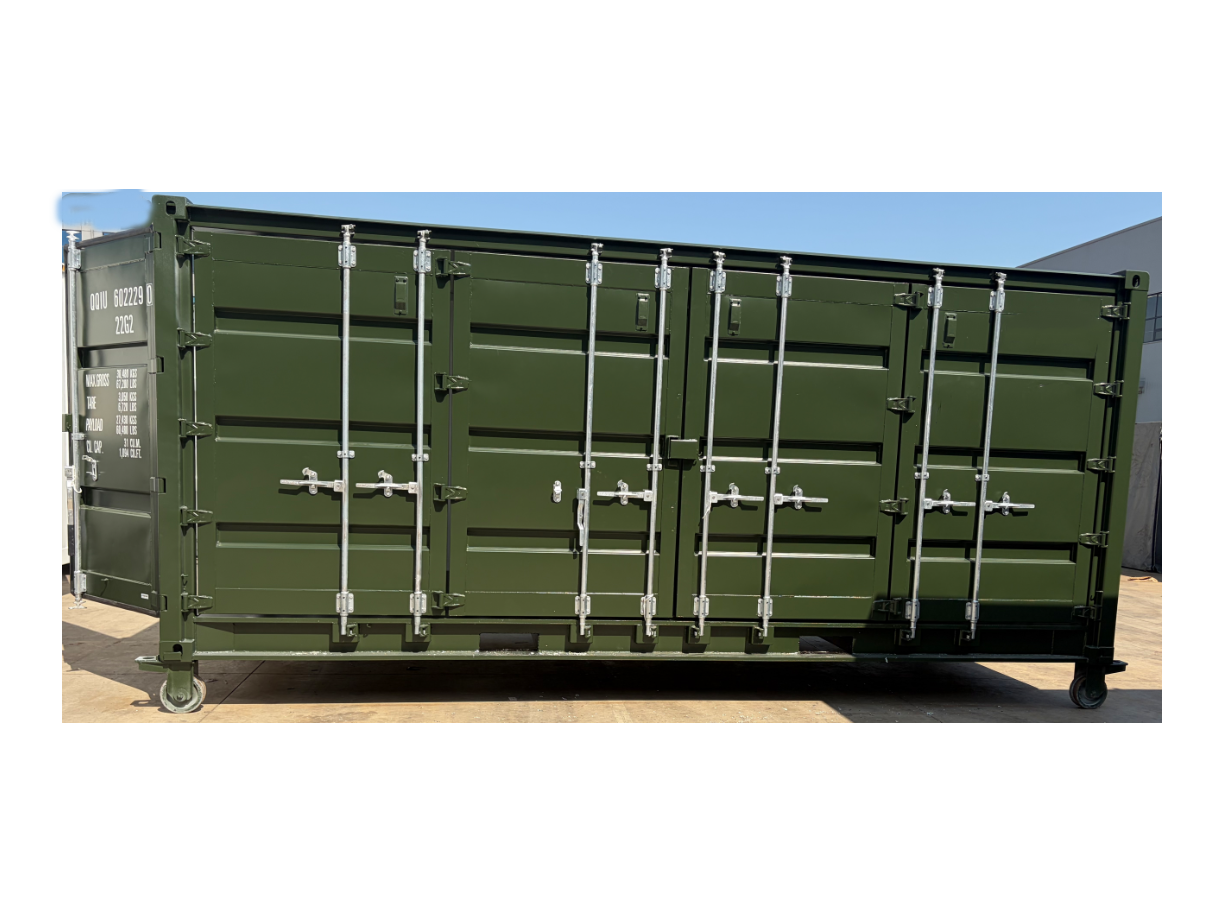

DNV 2.7-3 for Offshore Applications: The Certification Standard for Ultra-Heavy Offshore Equipment
DNV 2.7-3 is a certification standard formulated by Det Norske Veritas (DNV) for ultra-heavy offshore equipment. Its full name is DNV-ST-E273 Standard for Portable Offshore Units, which is mainly applicable to offshore equipment with a Maximum Gross Weight (MGW) exceeding 25 tonnes (distinguished from the below-25-tonne limit specified in DNV 2.7-1).
The core feature of this standard lies in its adoption of a "design analysis" approach (as opposed to the "prescriptive design" methodology of DNV 2.7-1). It requires engineers to clearly define the design basis, load scenarios and acceptance criteria, covering comprehensive requirements for structural design, material corrosion protection, lifting systems and environmental loads. Meanwhile, it incorporates quality control procedures such as Non-Destructive Testing (NDT) and periodic inspections.
This standard is primarily targeted at Portable Offshore Units (POUs)—such as large-scale equipment skids and heavy-duty tank frames. Such equipment must be adapted to salt spray and wind-wave marine environments, and is used for the transportation and deployment of ultra-heavy materials in offshore oil and gas platforms as well as wind power facilities. Recognized by other classification societies including Bureau Veritas (BV) and Lloyd’s Register (LR), DNV 2.7-3 serves as the core compliance benchmark for ultra-heavy offshore engineering equipment.
MESSAGE
Please give us a message