

PRODUCTS
Categories List
Recent Posts
 Winner Offshore Launches DNV2.7-1 Offshore Reefer Container to Support Offshore Cold Chain OperationsOct 14, 2026
 Winner Offshore DNV2.7-1 Positive Pressure Offshore Container Shipped from Factory to Empower Offshore Explosion-Proof OperationsOct 12, 2026
 Winner Offshore DNV2.7-1 Offshore Tank Container Delivers, Reinforcing Safety for Offshore Fluid Storage & TransportationOct 10, 2026
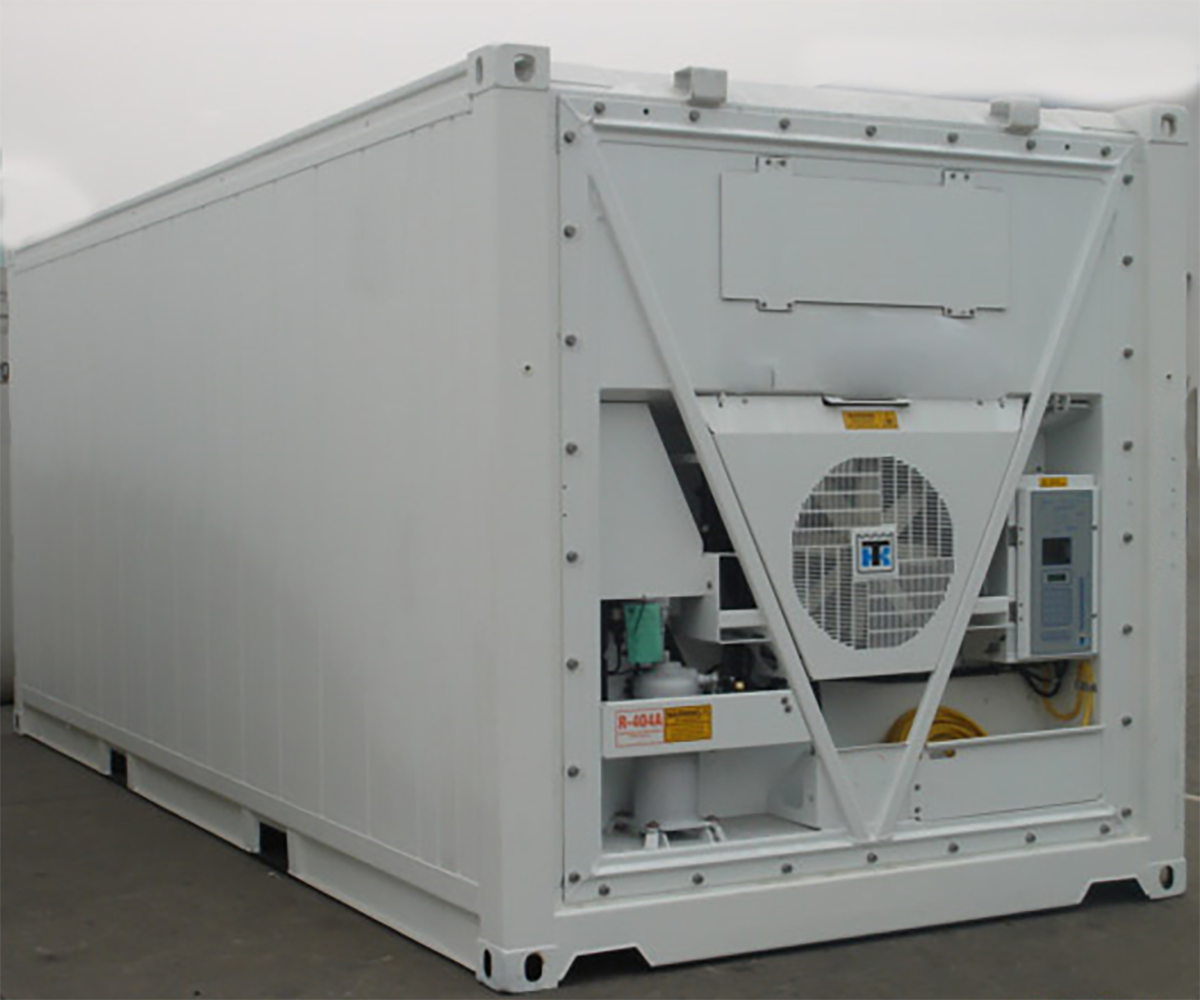
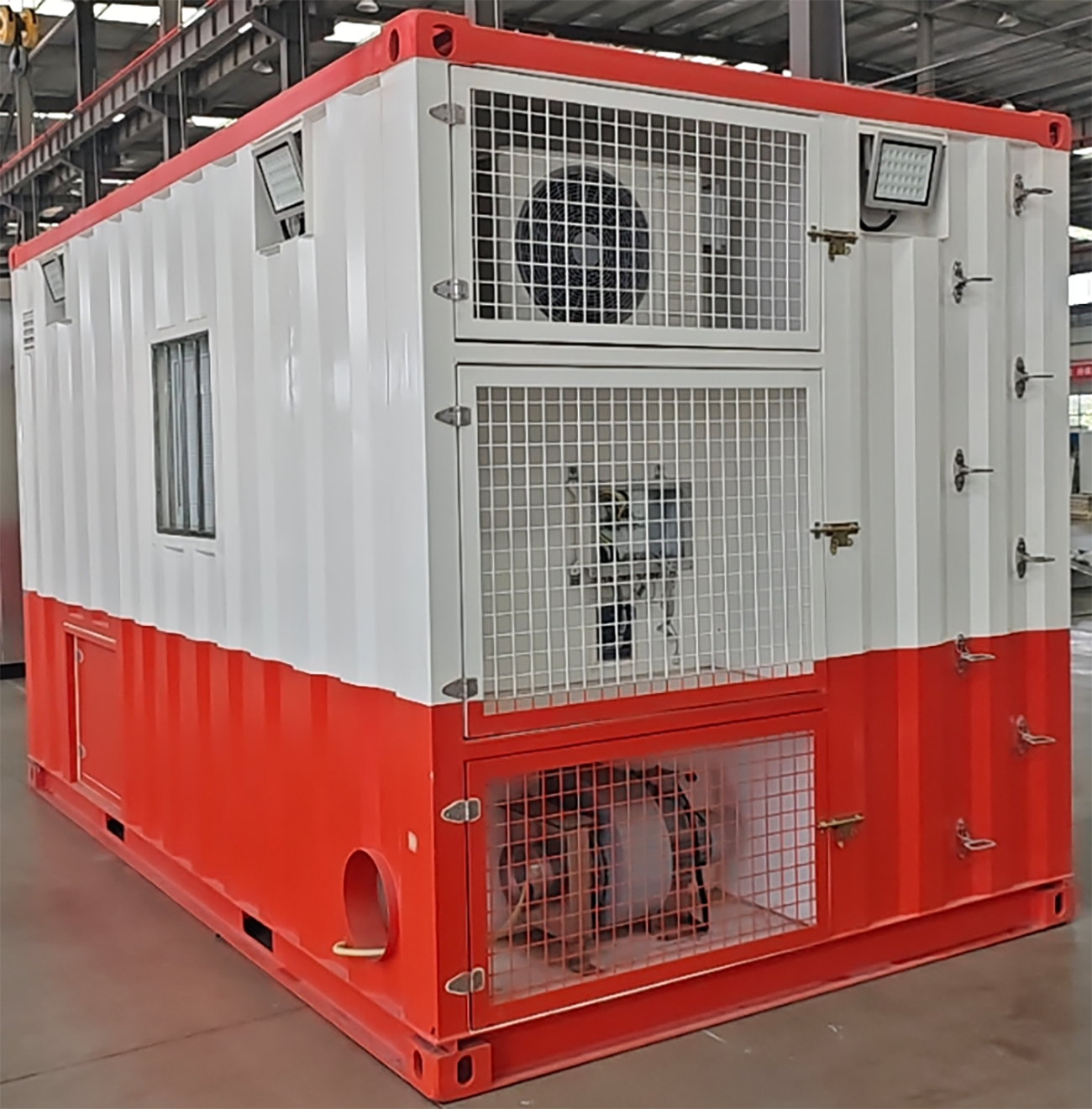
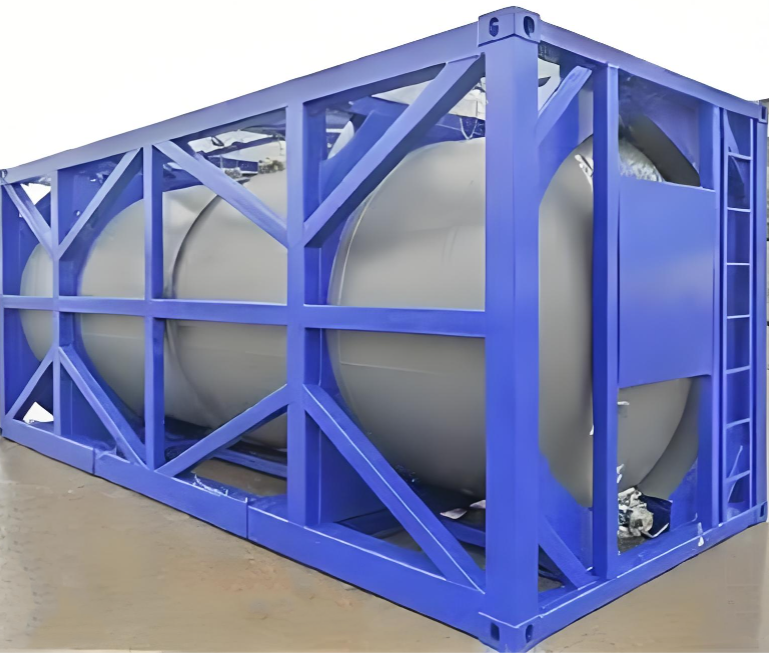
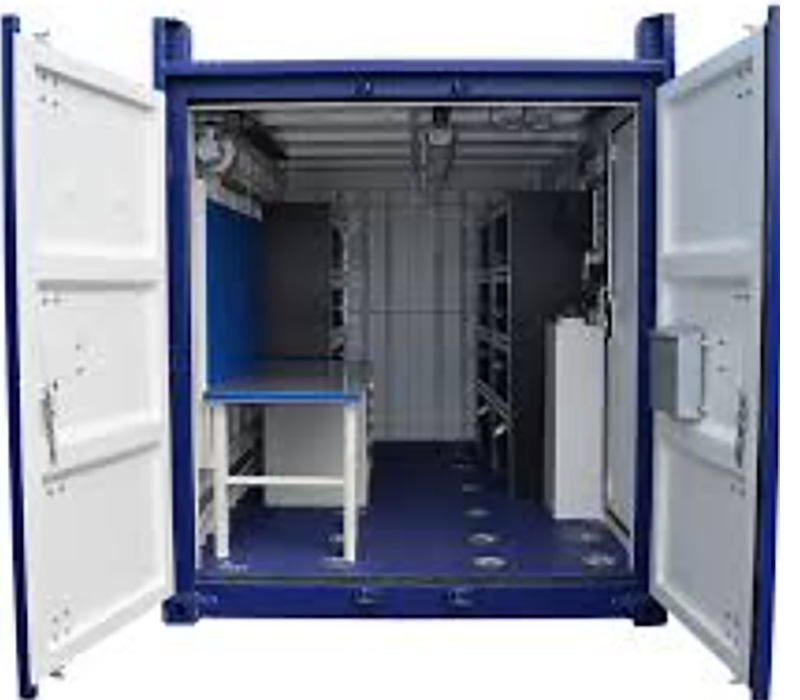
Offshore Tool Containers are specialized storage and transportation units designed exclusively for offshore oil & gas, wind power and other marine operational scenarios. Compliant with the core standards of DNV 2.7-1 and EN 12079, they feature corrosion resistance, impact resistance, airtight moisture-proof performance and safe lifting capacity, and are suitable for tool management and rapid deployment on offshore platforms, FPSOs and wind farms.
I. Core Definition & Key Standards
Positioning: Different from conventional toolboxes, Offshore Tool Containers are certified special containers with liftable, stackable and full-structure load-bearing performance. They are used for storing hand/electric tools, hydraulic equipment, measuring instruments and spare parts, and can simultaneously accommodate offshore transportation, platform storage and on-site operational access requirements.
Core Standards:
DNV 2.7-1: The globally prevailing specification, covering mandatory requirements for structural design, material selection, welding process, load bearing, lifting safety, marking and full-cycle inspection.
EN 12079: The supplementary standard for EU compliance, specifying the manufacturing and testing procedures in detail.
CSC: The universal safety certification for international maritime transportation, adaptable for multimodal transport.
II. Typical Application Scenarios
Offshore Oil & Gas Platforms: Centralized storage and transportation of drilling & workover tools, BOP spare parts and instrument calibration tools, supporting routine platform maintenance and emergency repair operations.
Offshore Wind Power Projects: Dedicated storage for wind turbine maintenance tools (bolt tensioners, hydraulic wrenches), electrical spare parts and safety equipment, compatible with lifting by operation and maintenance vessels and storage inside wind turbine nacelles.
FPSOs / Jacket Structures: Serving as the daily maintenance tool storage and temporary operation tool kits, which can be rapidly deployed with operation teams.
Offshore Construction & Installation: Batch transportation and on-site management of construction tools, reducing the risks of loss and damage of loose cargo in offshore operations.
III. Core Advantages & Selection Guidelines
Core Advantages
Safety & Compliance: Compliant with the safety requirements for lifting and stacking, meeting the access criteria of offshore platforms.
Marine Environment Adaptability: Full airtight structure with anti-corrosion finish effectively protects precision tools from erosion in harsh marine environments.
Operational Efficiency Improvement: Standardized storage layout shortens tool retrieval time, facilitating rapid crew shift and work handover.
Logistics Compatibility: Adaptable for multimodal transport, compatible with vessel, truck and helicopter transportation as well as offshore platform lifting operations.
Key Selection Guidelines
Determine the container volume and load capacity according to the tool list, with a reserved margin of 15%–20%.
Prioritize products certified to DNV 2.7-1, and verify the rated load capacity of lifting lugs and the configuration of lifting slings.
Customize internal shelves, hangers and lashing points by tool type to improve space utilization efficiency.
Select containers with hot-dip galvanization plus marine-grade coating to extend the outdoor service life.
MESSAGE
Please give us a message