

PRODUCTS
Categories List
Recent Posts
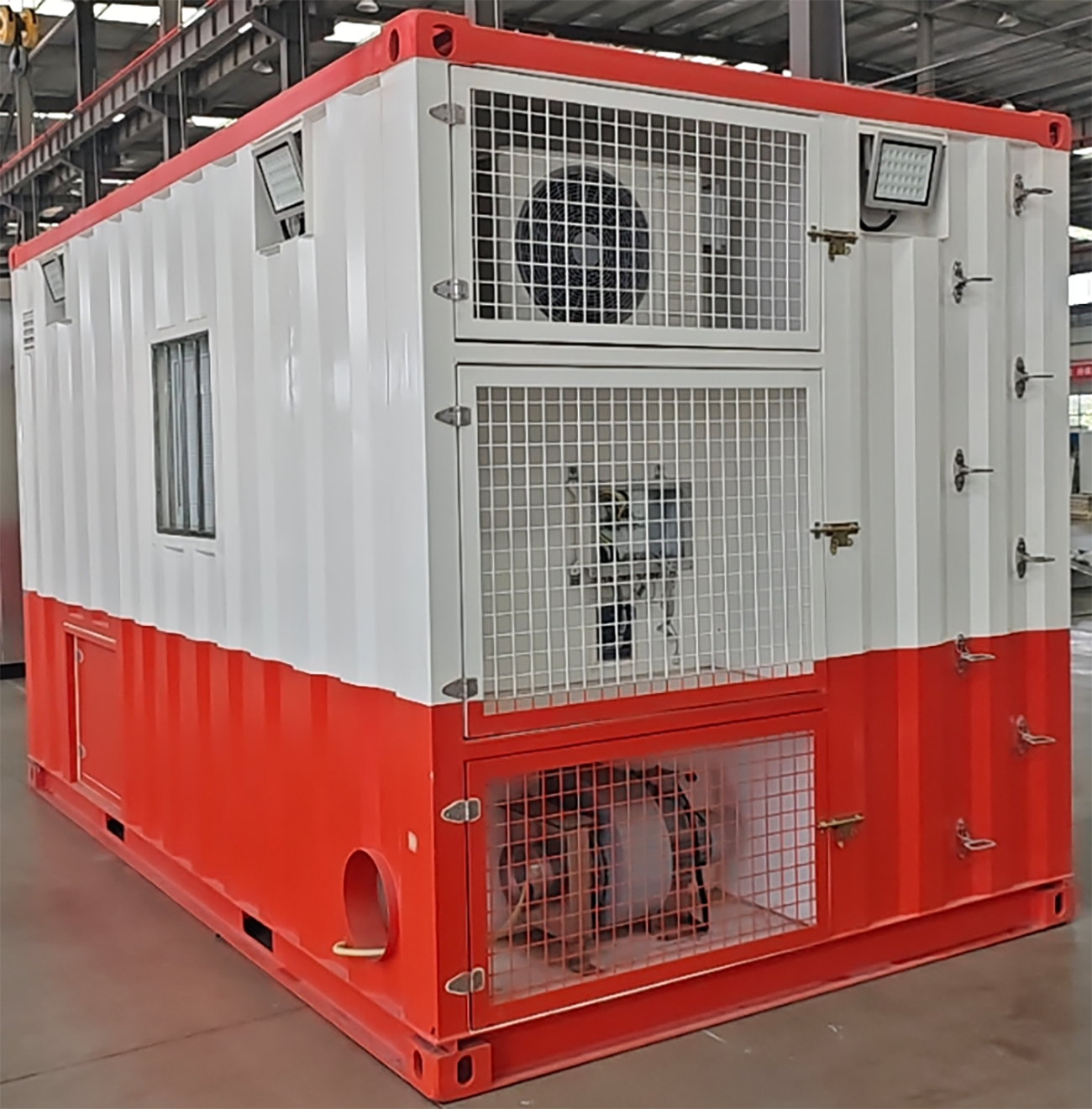
 Winner Offshore DNV2.7-1 Positive Pressure Offshore Container Shipped from Factory to Empower Offshore Explosion-Proof OperationsOct 12, 2026
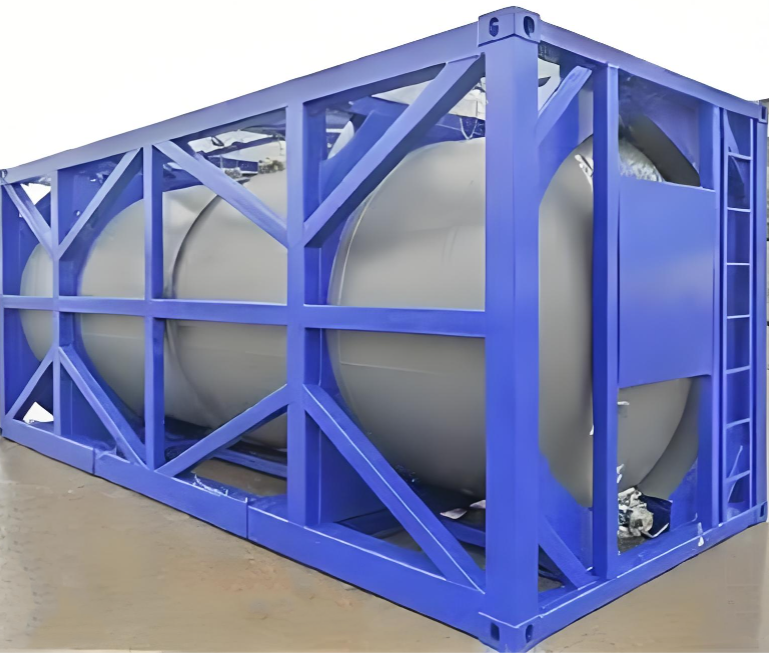
 Winner Offshore DNV2.7-1 Offshore Tank Container Delivers, Reinforcing Safety for Offshore Fluid Storage & TransportationOct 10, 2026
 Winner Offshore New DNV2.7-1 Offshore Accommodation Module CompletedOct 08, 2026

Offshore Zone 2: Safety Definition for High-Risk Offshore Areas
Offshore Zone 2 is a flammable gas hazardous area defined by international explosion-proof standards (e.g., IEC 60079). Primarily applicable to offshore engineering scenarios (such as offshore oil and gas platforms and chemical carriers), it stands as one of the core safety boundaries for the design and operation of offshore equipment.
Core Definition
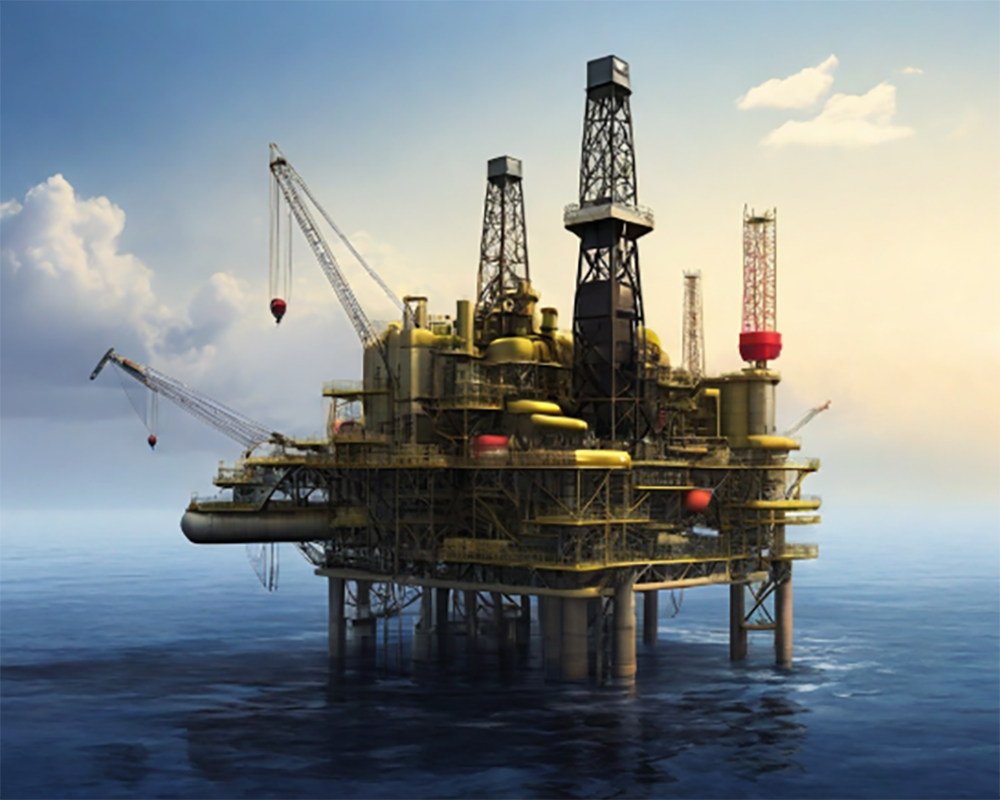
Zone 2 refers to an area where "flammable gas/vapor mixtures are not likely to occur in normal operation, and if they do occur, they will only exist for a short period". Examples include deck edges of offshore oil and gas platforms and well-ventilated equipment areas. This is distinct from Zone 1 (where such mixtures may occur frequently) and Zone 0 (where such mixtures are present continuously or for long durations), which are higher-risk areas.
Core Requirements for Offshore Scenarios
Offshore equipment intended for Zone 2 areas (e.g., operation rooms, control modules) must meet the following requirements:
Explosion-proof Design
Adopt explosion-proof solutions such as positive pressure protection and flameproof electrical components to prevent the intrusion of external flammable gases.
Compliance Certification
The equipment shall comply with offshore standards including DNV 2.7-1, and obtain explosion-proof certifications such as ATEX/IECEx.
Safety Configuration
Equip with flammable gas detectors, emergency ventilation systems and other facilities to ensure rapid response to abnormal situations.
Typical Applications
On offshore oil and gas platforms, equipment deployed in Zone 2 areas (e.g., explosion-proof positive pressure modules) can serve as operational spaces for equipment commissioning and data monitoring. In wind power operation and maintenance, these areas are used for tool storage and temporary operations in hazardous zones.
Translation Notes
Terminology Standardization
flammable gas hazardous area: Aligns with the wording of international explosion-proof standards (IEC 60079), ensuring consistency with industry norms.
positive pressure protection, flameproof electrical components: Professional terms for explosion-proof technologies, with flameproof being the standard translation for the 隔爆 type of explosion-proof equipment.
ATEX/IECEx → Retained in original form, as these are globally recognized explosion-proof certification marks and require no additional translation.
Sentence Structure Optimization
Long Chinese definitions (e.g., the description of Zone 2) are restructured into English sentences with quotation marks for the core definition, improving readability and highlighting key information.
The requirement list is organized into numbered items to make the content clear and easy to follow, which is in line with the reading habits of technical document users.
Contextual Adaptation
safety boundaries: More accurate than literal translations like "safety limits" in the context of equipment design and operation, reflecting the mandatory restrictive role of Zone 2 classification.
rapid response to abnormal situations: Expands the meaning appropriately to clarify that the purpose of safety facilities is to respond to and handle anomalies, conforming to English technical expression habits.
Would you like me to compile a comparison table of Zone 0/1/2 for offshore hazardous areas to show their risk levels and equipment requirements at a glance?
MESSAGE
Please give us a message