

PRODUCTS
Categories List
‹
›
‹
›
DNV 2.7-1 Offshore Container is a standard for offshore transport containers developed by Det Norske Veritas (DNV), and its full name is DNVGL-ST-E271 (formerly DNV 2.7 - 1). This standard aims to regulate the design, manufacturing, inspection and certification requirements of containers used to transport goods, equipment and personnel in the offshore oil and gas industry, ensuring their safety, reliability and applicability in harsh offshore environments.
Winner Offshore containers are designed to offshore containers standards DNV-ST-E271 (DNV 2.7-1) and are certified by the authorities such as Det Norske Veritas (DNV) or Lloyd’s Register (LR) or Bureau Veritas (BV).
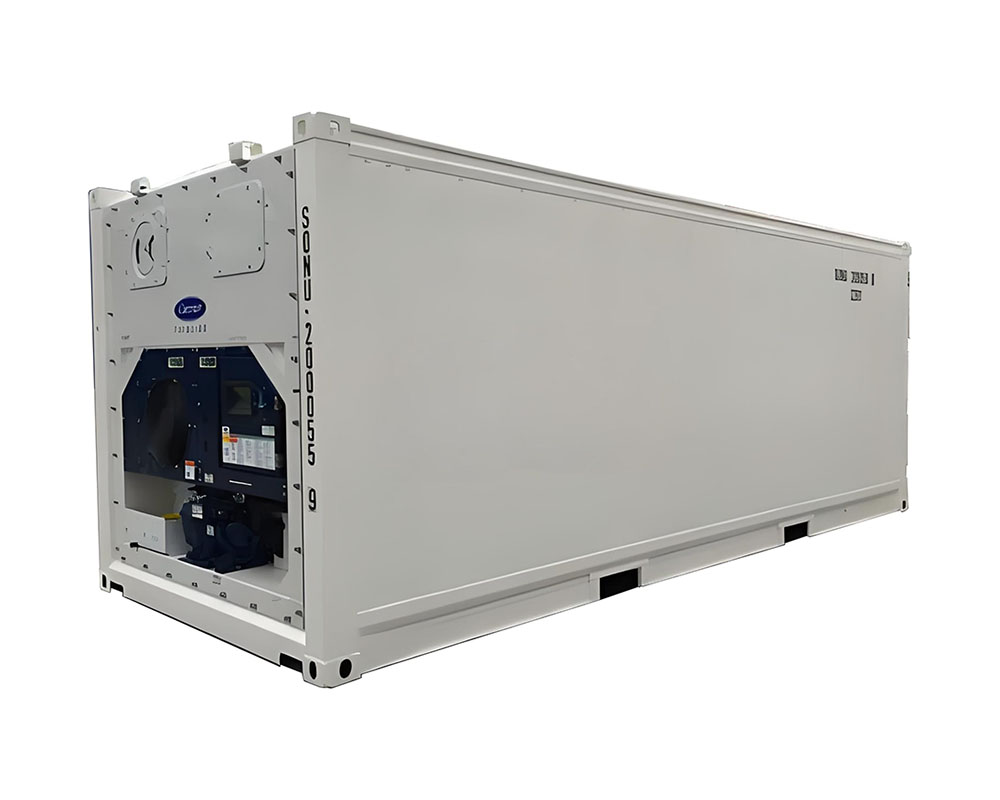
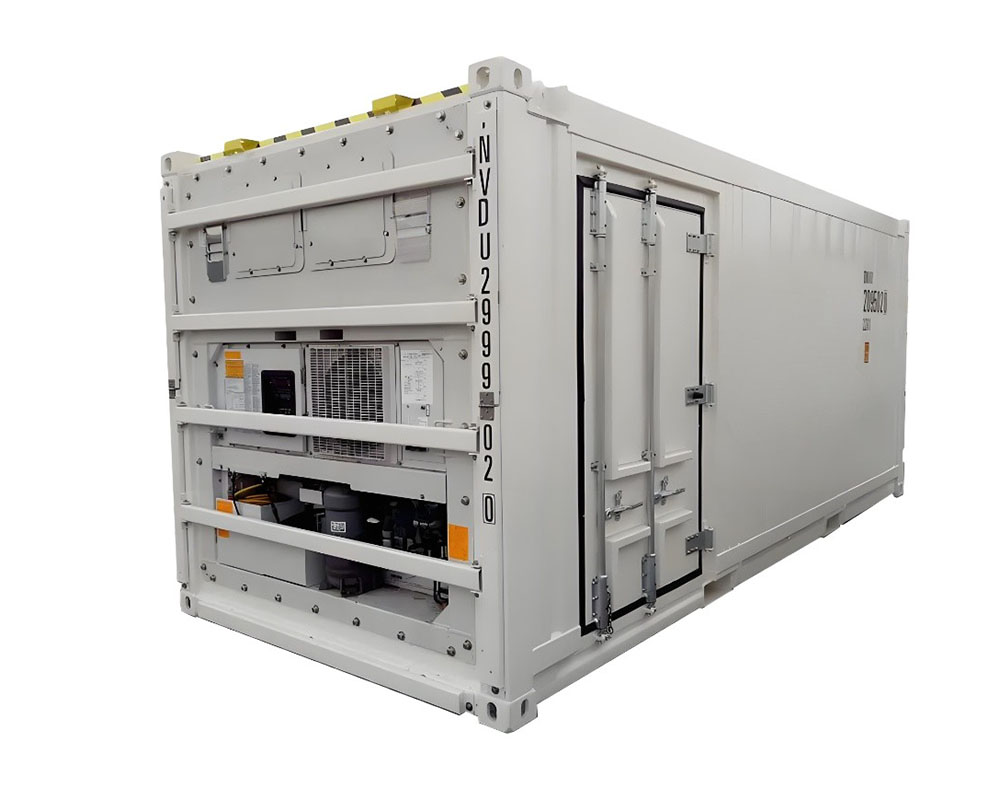
A reefer/Refrigerated container is a group of high-efficiency, insulated and cold-cooled heat exchange equipment. These containers are equipped with a built-in refrigeration system that helps maintain a consistent temperature range during transit and storage.
Feature
Temperature Control:
Maintains temperatures from -30°C to +30°C.
Precise settings for frozen or chilled goods.
Insulation:
High-performance insulation to reduce temperature fluctuations.
Power Supply:
Operates using external electricity at ports or vessels.
Gensets (generator sets) provide power during transit.

DNV 2.7-1 and ISO 10855 are the two most widely recognized standards for offshore containers and lifting equipment.
> DNV 2.7-1 was developed specifically for offshore lifting operations in the oil and gas industry.
> ISO 10855 is an international standard that covers offshore containers and associated lifting sets.
> Many offshore operators require equipment to comply with both standards to ensure safety, reliability, and global acceptance.
Choosing equipment certified to these standards helps reduce operational risks and facilitates approval by offshore operators and inspection authorities.
Yes. Certification documents can be provided according to project requirements.
Typical documents may include:
> DNV 2.7-1 Compliance Certificate
> Manufacturing Certificate
> Load Test Certificate
> Material Traceability Records
> Welding Procedure Specifications (WPS)
> Non-Destructive Testing (NDT) Reports
> Inspection and Test Plans (ITP)
All documentation is prepared to support offshore project approvals and customer quality assurance requirements.
Offshore containers and cargo baskets are available in a wide range of payload capacities.
Common options include:
Equipment Type Typical Payload Range
Cargo Basket 2–15 Tons
Offshore Container 2–25 Tons
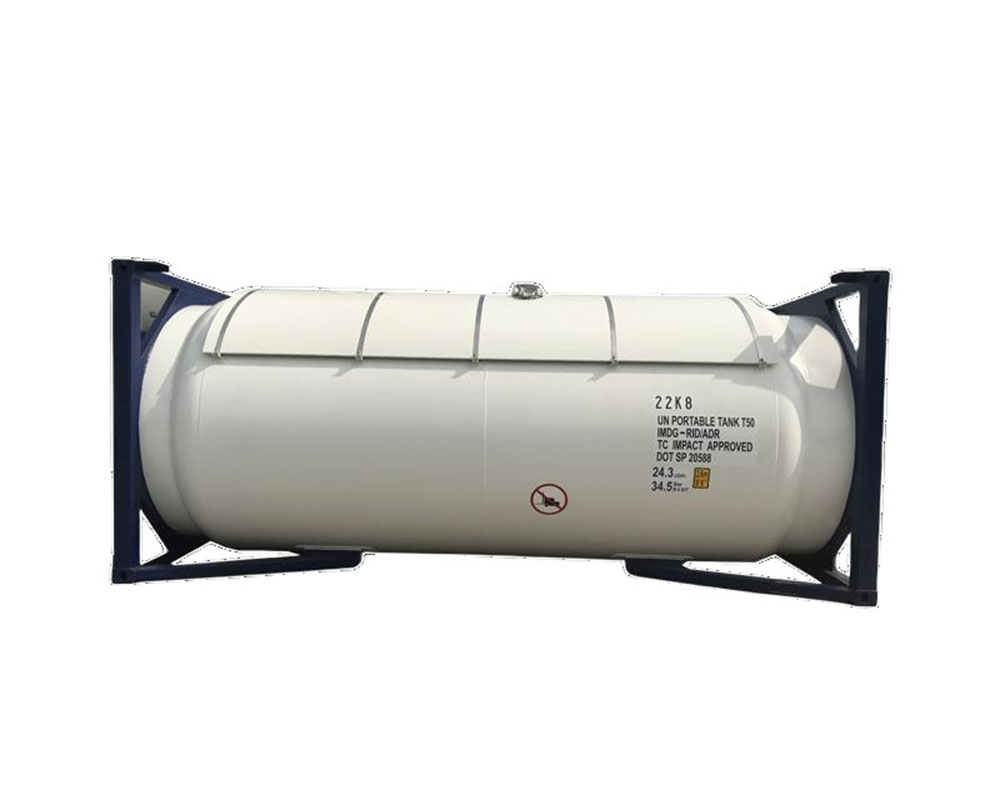
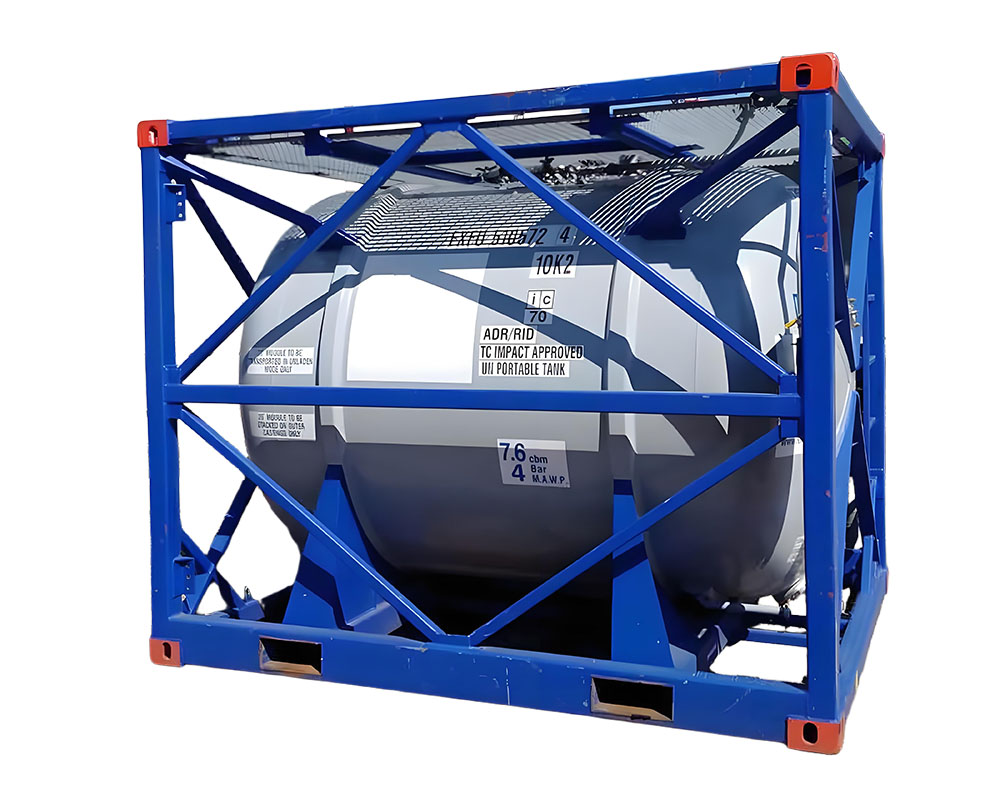
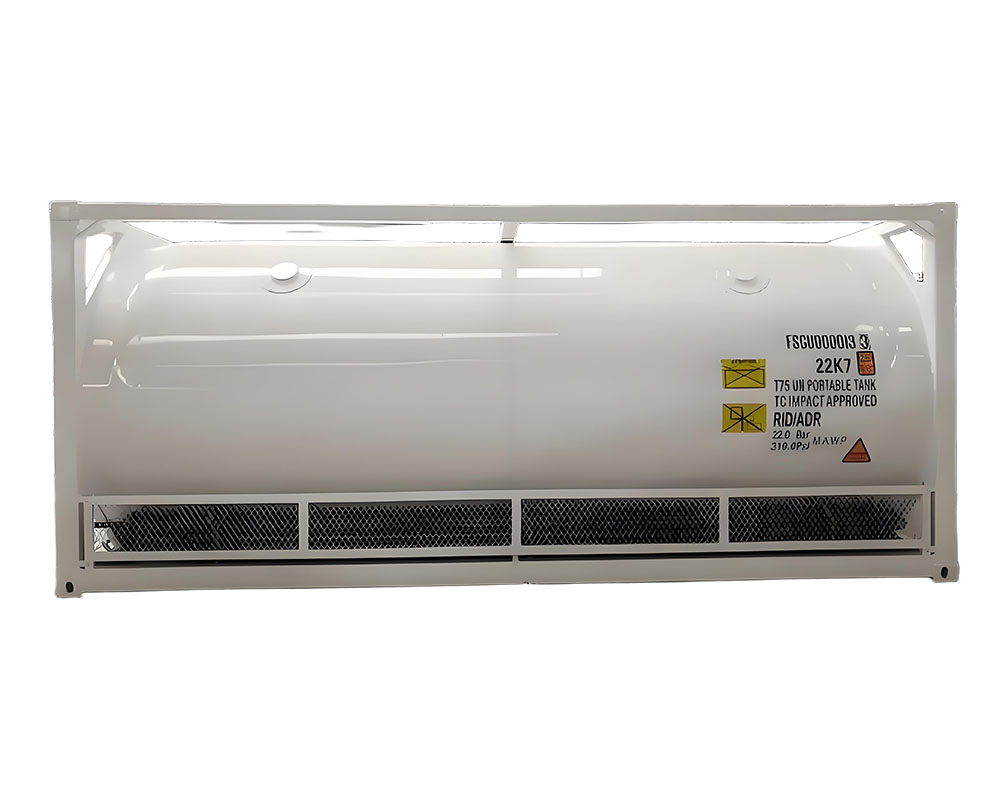
Offshore Tank Container Customized
Waste Skip 3–12 Tons
Custom payload capacities can also be designed to meet specific project requirements.
The final safe working load (SWL) depends on container dimensions, intended application, and certification requirements.
Yes. Customization is one of the most requested services in offshore logistics projects.
Available customization options include:
> Custom dimensions
> Special lifting arrangements
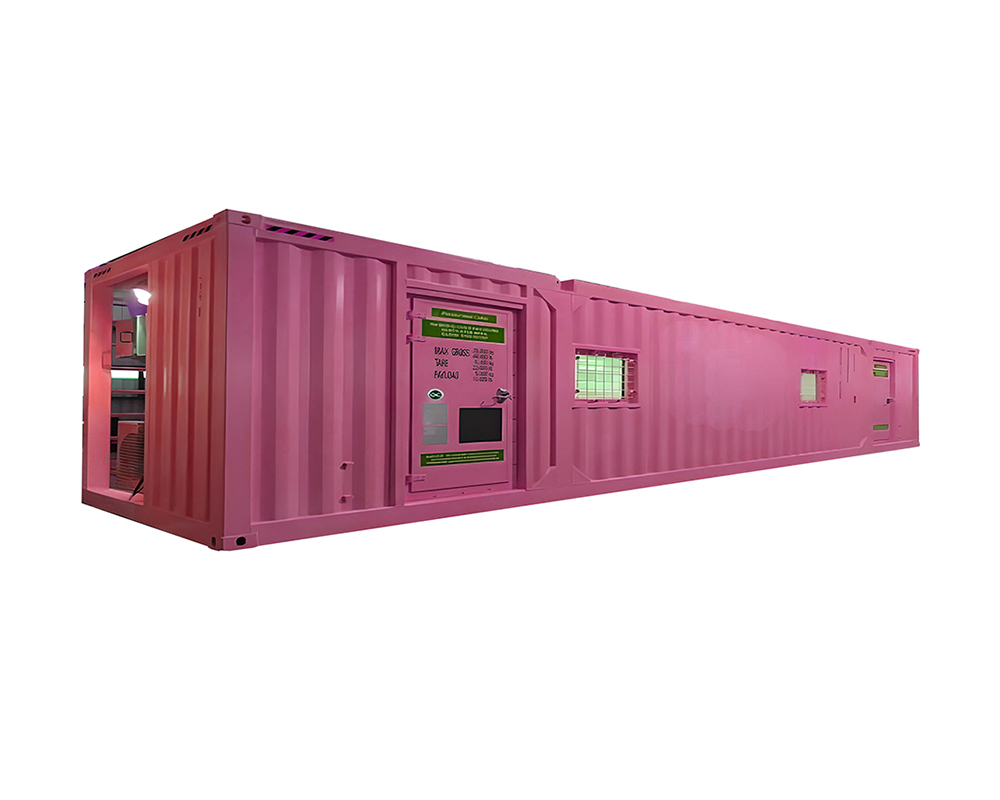
> Offshore workshop containers
> Offshore accommodation modules
> Zone 2 pressurized containers
> Refrigerated containers
> Stainless steel construction
> Enhanced corrosion protection systems
> Customer branding and color schemes
Engineering teams can develop solutions based on operational requirements, transportation methods, and certification standards.
The service life of offshore equipment depends on operating conditions, maintenance practices, and environmental exposure.
With proper maintenance, offshore containers can typically operate for 10–20 years or longer.
Factors affecting service life include:
> Marine corrosion exposure
> Frequency of lifting operations
> Inspection and maintenance schedules
> Coating and paint system quality
> Environmental conditions such as offshore wind, salt spray, and humidity
Regular inspections and recertification help ensure continued compliance, safety, and long-term performance.
Please give us a message